
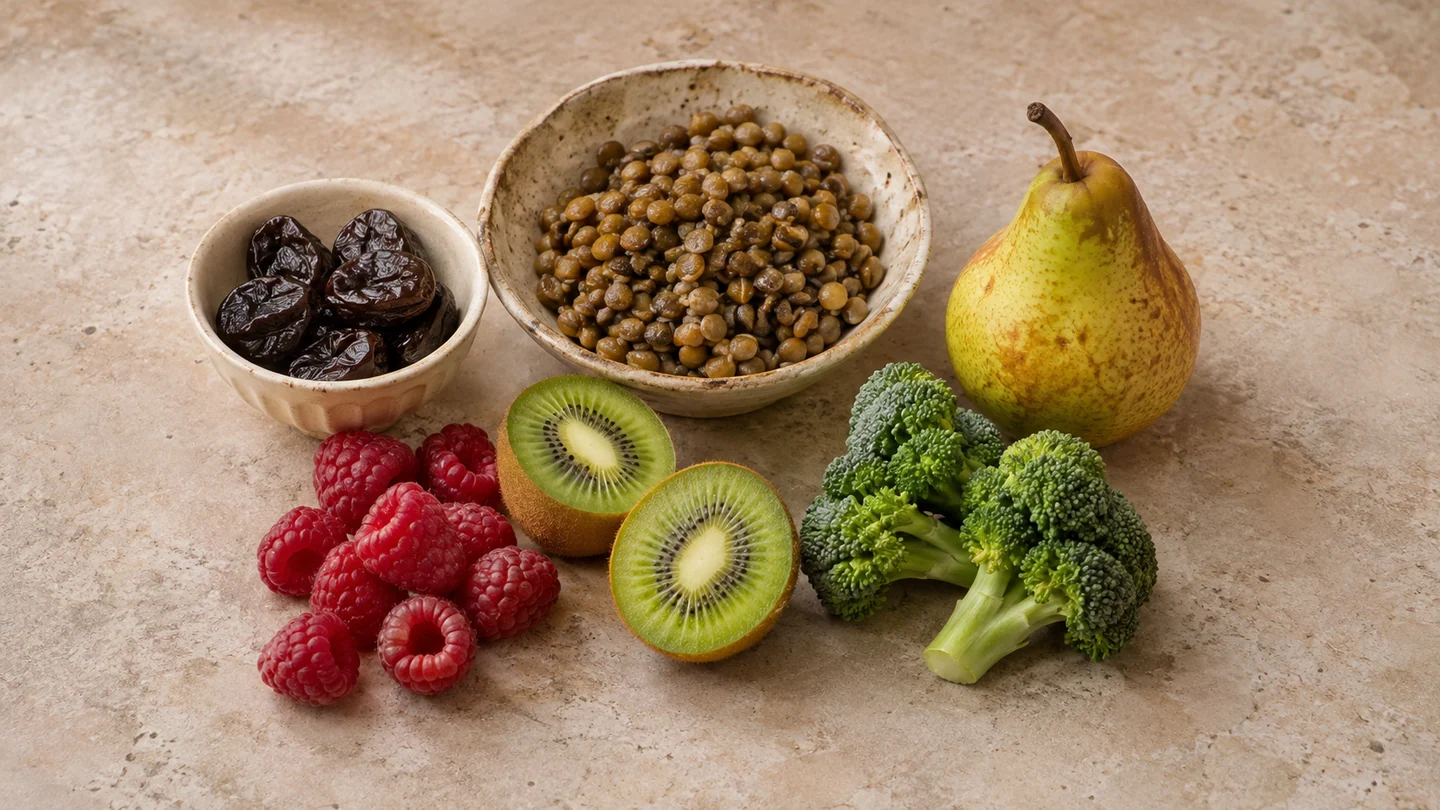
If you’re constipated and looking to eat more fiber, start with a food you already like.
Prunes
3.1gFiber · ¼ cup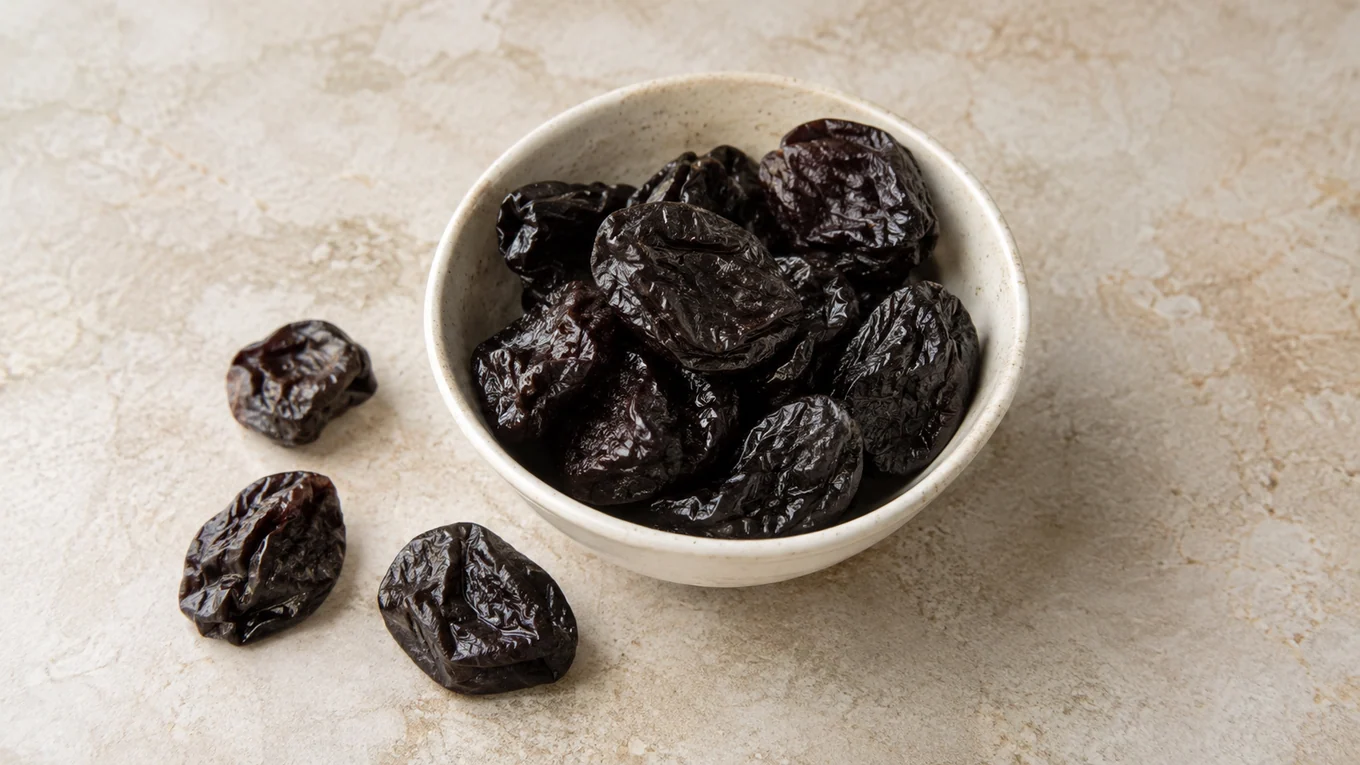
Prunes are dried plums. They contain sorbitol, which can help soften stools.
Other benefits
- Prunes also provide potassium.
How to prepare it
- Chop them into oatmeal or eat them on their own.
Lentils
7.8gFiber · ½ cup, cooked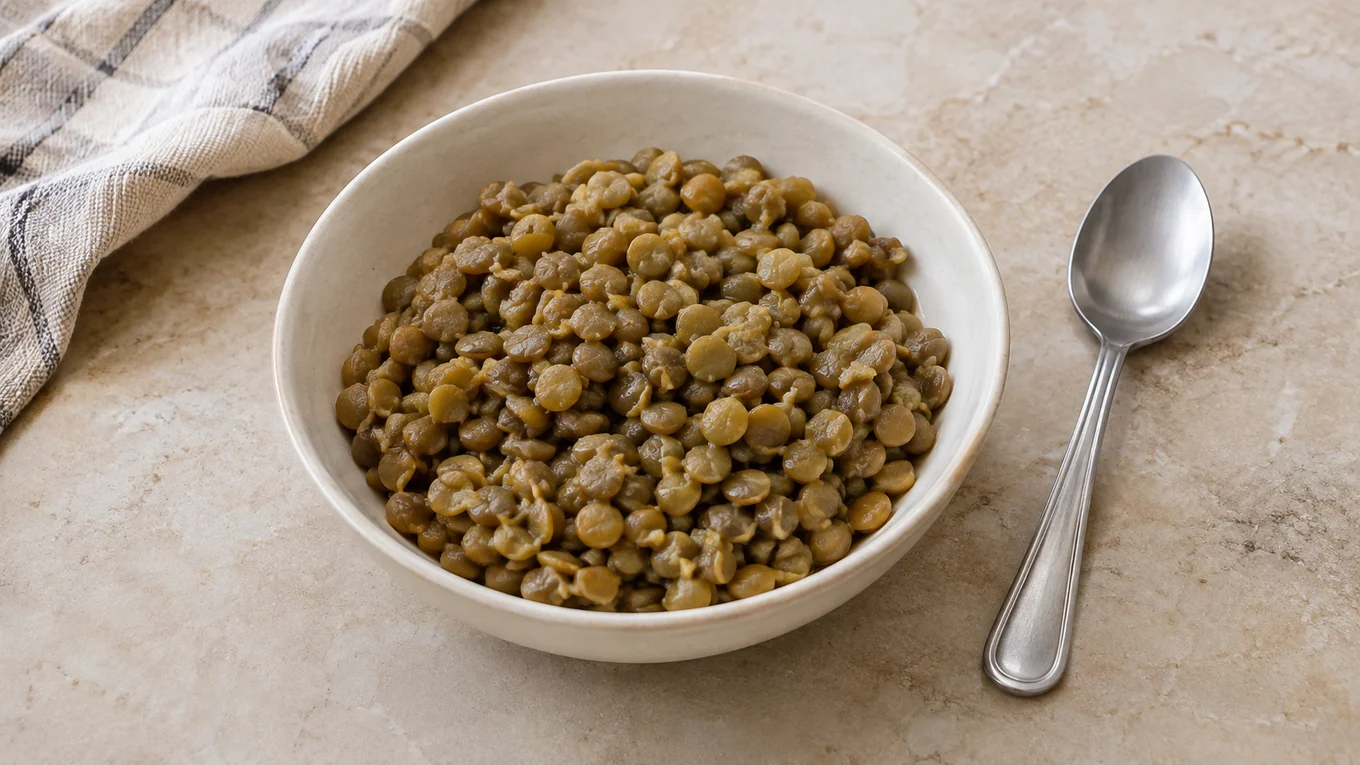
Cooked lentils pack nearly 8 grams of fiber into half a cup.
Other benefits
- Lentils also provide plant protein.
How to prepare it
- Stir cooked lentils into soup or add them to a grain bowl.
Pear
5.5gFiber · 1 medium pear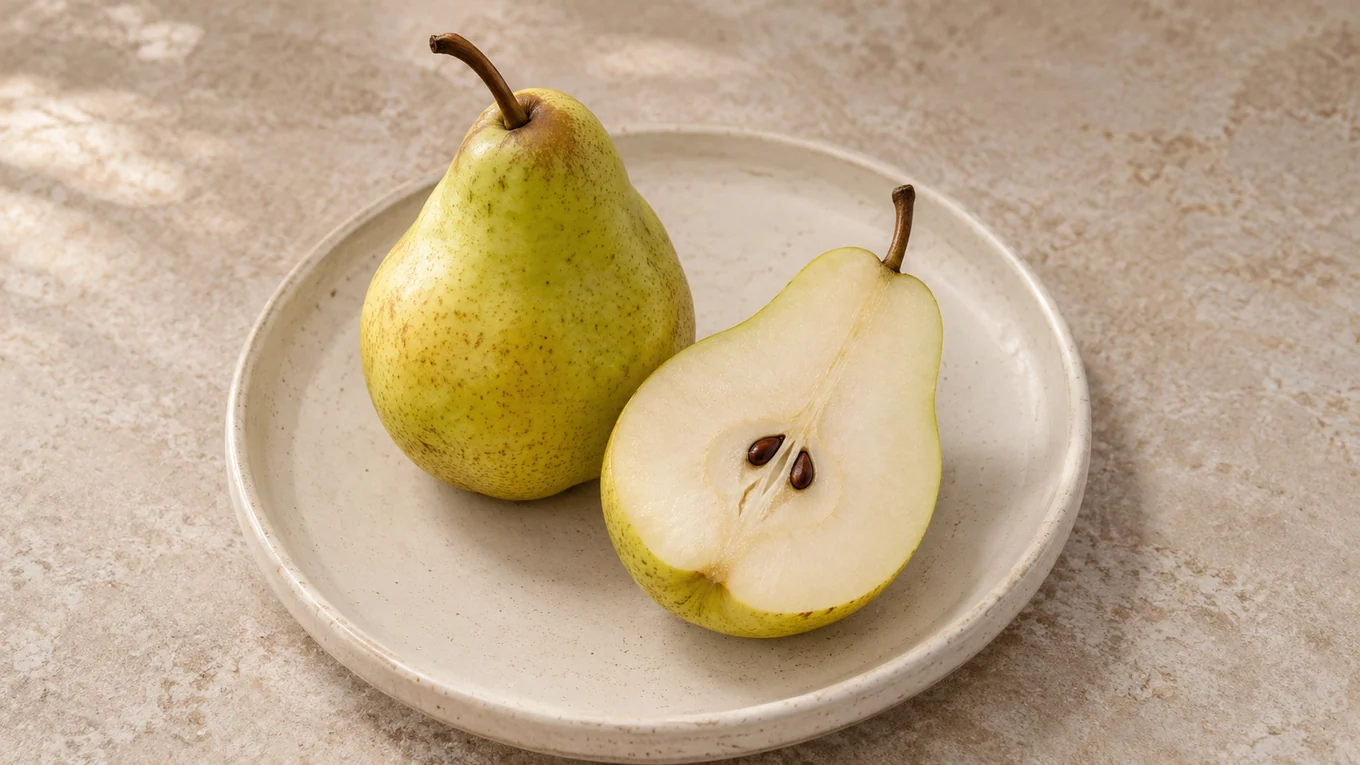
A ripe pear is an easy way to get fiber without cooking.
Other benefits
- A whole-fruit snack with no added sugar.
How to prepare it
- Wash it and eat it with the skin on.
Raspberries
4gFiber · ½ cup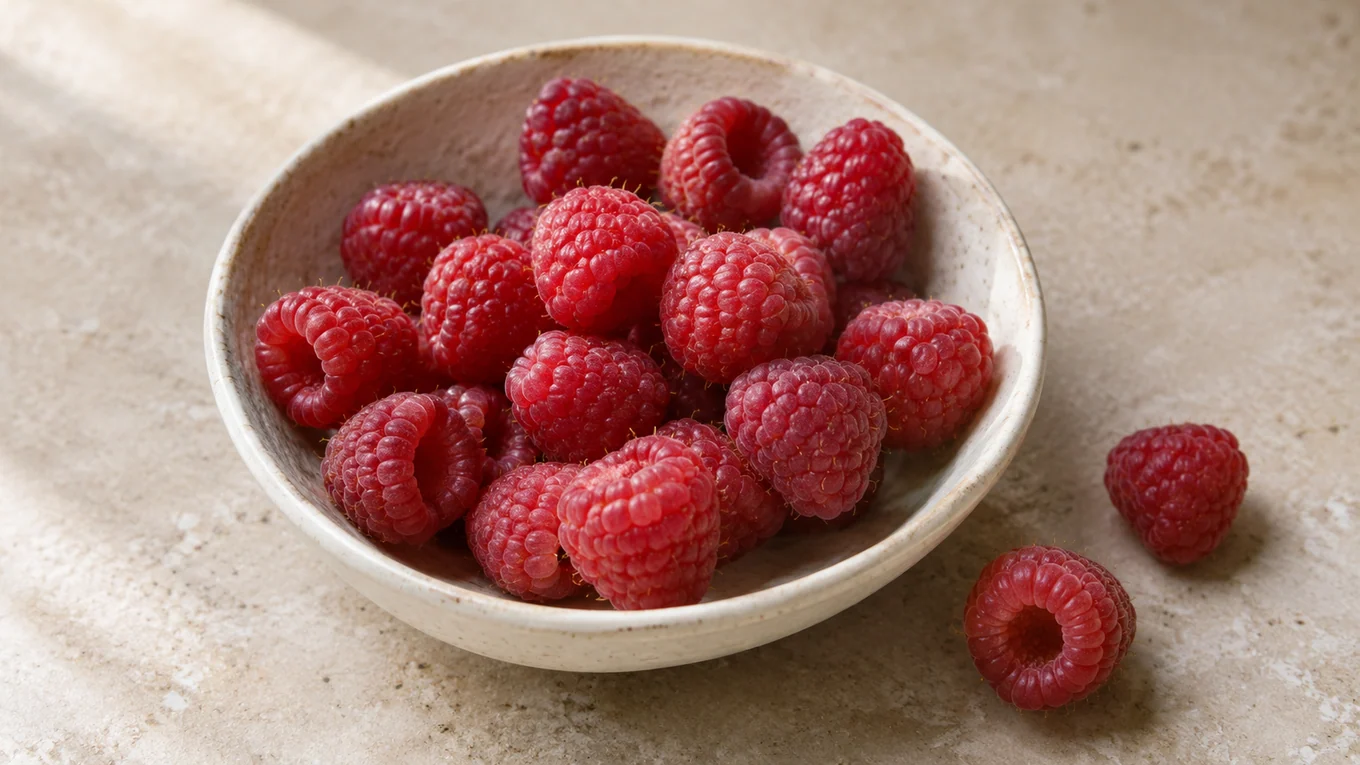
You can use fresh or unsweetened frozen raspberries.
Other benefits
- Raspberries also provide vitamin C.
How to prepare it
- Spoon them over plain yogurt or oatmeal.
Kiwifruit
2.7gFiber · ½ cup, sliced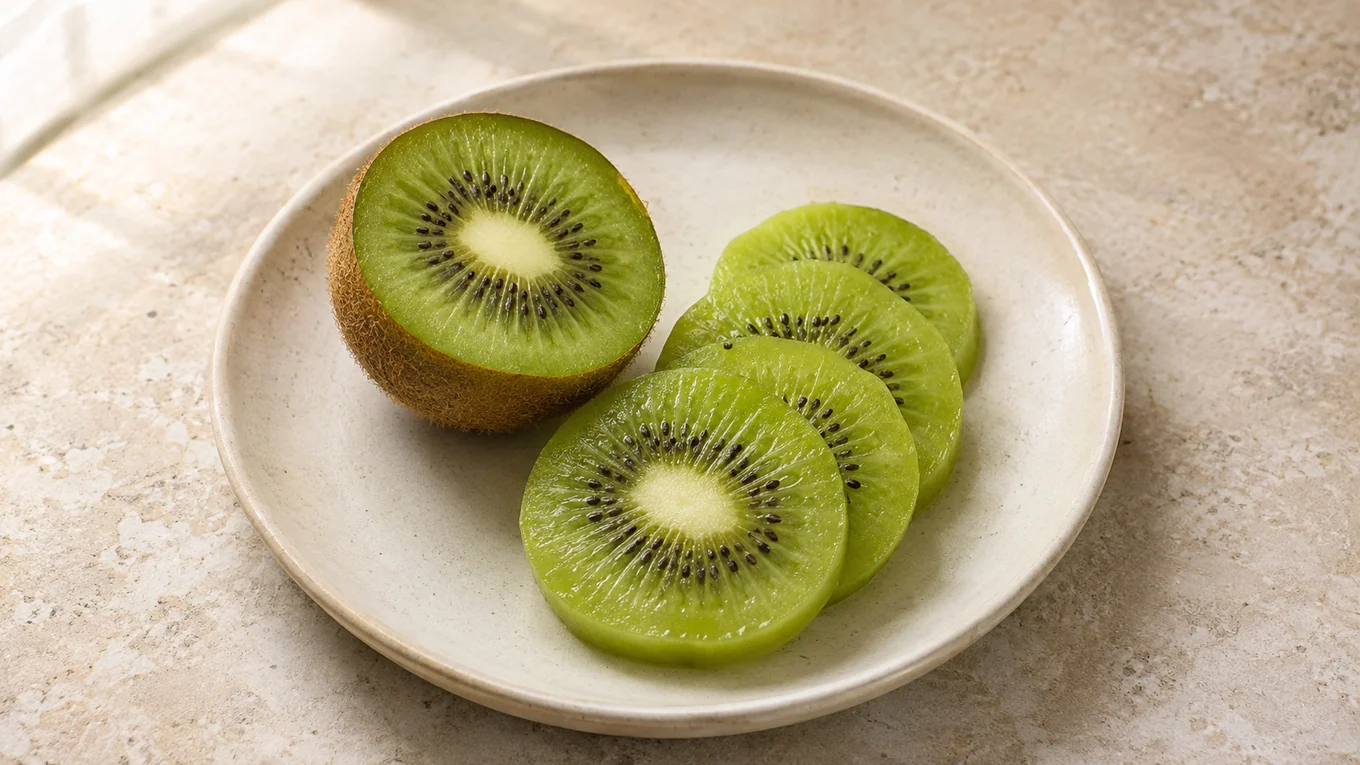
Kiwifruit is an easy snack on its own.
Other benefits
- Kiwifruit is rich in vitamin C.
How to prepare it
- Cut a kiwi in half and scoop it out with a spoon.
Broccoli
2.6gFiber · ½ cup, cooked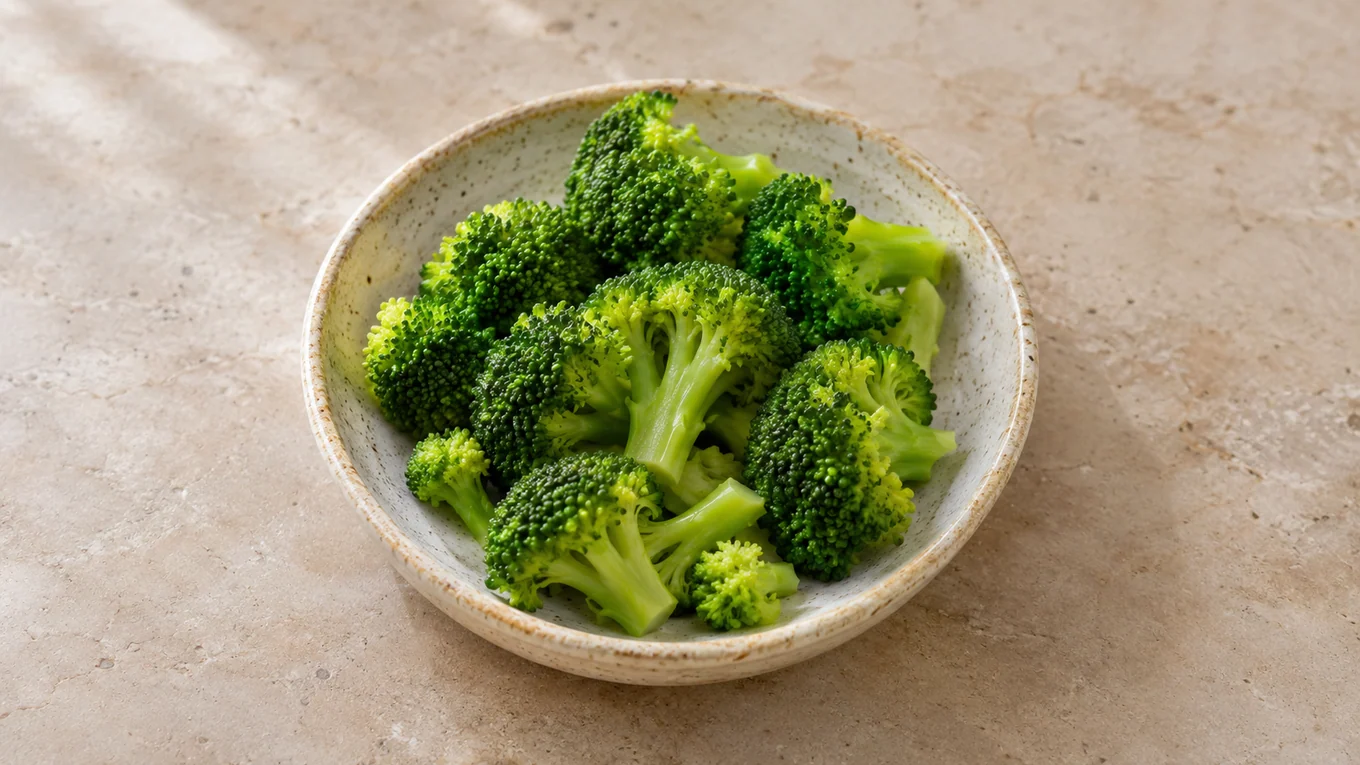
Broccoli can add fiber to a meal you already make.
Other benefits
- Broccoli also provides vitamin C.
How to prepare it
- Steam the florets or stir them into pasta.
Add fiber gradually and drink enough water. If constipation persists despite self-care, contact a healthcare professional. Get care right away if you have blood in your stool or constant belly pain.
Sources
Estimated fiber per serving. Some amounts are scaled to smaller portions. Federal food sources table
Prunes, sorbitol, and potassium. Johns Hopkins Medicine and NIH potassium fact sheet
Vitamin C in broccoli, kiwifruit, and raspberries. NIH Office of Dietary Supplements and raspberry composition research
What to eat when constipated and when to get medical help. NIDDK diet guidance and NIDDK guidance on when to seek care